
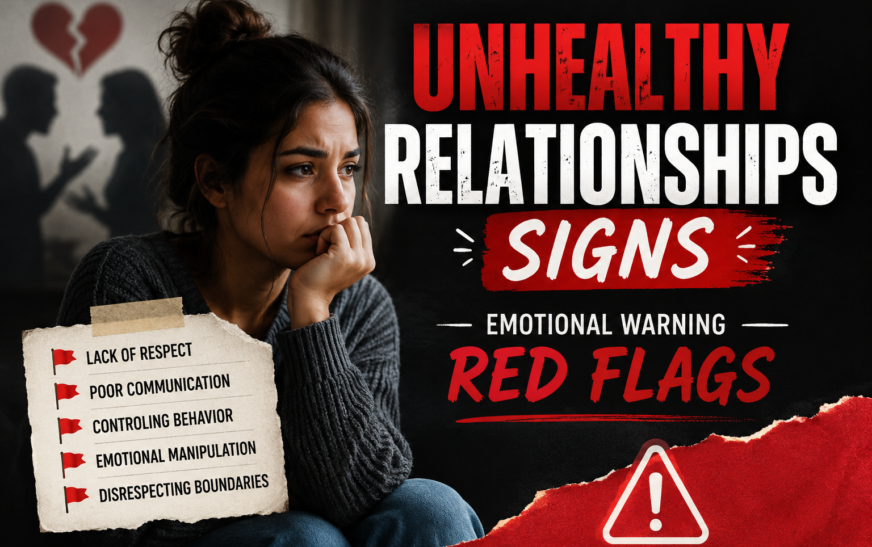
Unhealthy relationships signs are not always loud or obvious. They often appear quietly, growing slowly until something that once felt like love begins to feel like fear, exhaustion, or self doubt. Learning to recognize these warning signs early is one of the most powerful steps you can take to protect your wellbeing and find the connection you truly deserve.
Whether you are reflecting on a romantic partnership, a friendship, or a family bond, understanding the most common unhealthy relationships signs can bring clarity, confidence, and peace. This guide explores 15 key warning signs, why they matter, and what you can do next.
What Are Unhealthy Relationships
A healthy relationship is built on trust, respect, honesty, and mutual support. An unhealthy relationship, by contrast, leaves one or both people feeling drained, controlled, anxious, or unseen. It is important to remember that no relationship is perfect, and occasional conflict is normal.
The difference lies in the pattern. A single argument is not a red flag, but a steady stream of disrespect, control, or emotional harm is. The unhealthy relationships signs below describe ongoing patterns rather than one off moments, and recognizing them is the first step toward positive change.
15 Common Unhealthy Relationships Signs to Watch For
The warning signs below can appear in any kind of relationship. The more of them you recognize, the more important it is to pause and reflect honestly.
1. Constant Criticism and Belittling
In a healthy relationship, feedback is kind and constructive. One of the clearest unhealthy relationships signs is constant criticism that makes you feel small, stupid, or never good enough. Belittling, mocking, and name calling slowly erode your confidence.
2. Controlling Behavior
Control can show up as monitoring your phone, dictating who you can see, controlling your money, or demanding to know your every move. A loving partner trusts you, while a controlling one tries to manage you.
3. Lack of Trust and Constant Jealousy
Healthy love includes trust. Ongoing jealousy, accusations, and suspicion, even when you have done nothing wrong, are serious unhealthy relationships signs. Trust cannot survive in an atmosphere of constant doubt.
4. Poor Communication
When honest conversation becomes impossible, the relationship suffers. Stonewalling, silent treatment, shouting, or refusing to discuss problems are all signs of communication breakdown.
5. Disrespect for Boundaries
Everyone has the right to personal limits. If your boundaries are ignored, mocked, or punished, that is a major warning sign. A healthy partner respects your no without guilt trips or pressure.
6. You Feel Drained Rather Than Supported
A good relationship gives you energy more often than it takes it. If you consistently feel exhausted, anxious, or emotionally empty after time together, your body may be telling you something important.
7. Dishonesty and Broken Promises
Repeated lying, hidden behavior, and broken promises destroy the trust that relationships depend on. Occasional mistakes are human, but a pattern of deceit is one of the strongest unhealthy relationships signs.
8. Walking on Eggshells
If you constantly monitor your words and actions to avoid triggering anger or conflict, you are living in fear, not love. Feeling unsafe to be yourself is a serious red flag.
9. Isolation From Friends and Family
An unhealthy partner may slowly cut you off from your support system. Isolation makes you more dependent and easier to control. Healthy love welcomes your other relationships rather than threatening them.
10. Blame Shifting and No Accountability
When one person never takes responsibility and always blames the other, growth becomes impossible. Healthy partners own their mistakes and apologize sincerely.
11. Emotional Manipulation and Guilt Tripping
Manipulation includes guilt trips, gaslighting, playing the victim, and twisting your words. These tactics make you doubt your own memory, feelings, and judgment.
12. Disrespect in Front of Others
Public put downs, humiliation, or dismissive behavior in front of friends or family show a deep lack of respect. How someone treats you around others reveals a great deal.
13. Unequal Effort and One Sided Giving
Relationships need balance. If you are always the one apologizing, compromising, planning, and giving while the other person takes, the imbalance will wear you down over time.
14. Intimidation, Threats, or Any Form of Abuse
Threats, intimidation, and any physical, emotional, sexual, or verbal abuse are never acceptable. These are not simply unhealthy relationships signs, they are signals that your safety is at risk.
15. You Have Lost Your Sense of Self
Perhaps the most telling sign of all is realizing you no longer feel like yourself. If you have lost your confidence, your interests, your goals, or your voice, the relationship is harming who you are.
Why People Stay in Unhealthy Relationships
If the unhealthy relationships signs are so clear, why is it so hard to leave? The answer is rarely simple, and no one should be judged for staying.
People stay for many understandable reasons, including love and hope that things will change, fear of being alone, financial dependence, low self esteem built up over time, concern for children, social or family pressure, and the simple fact that unhealthy patterns often develop so gradually they are hard to see from the inside. Recognizing these reasons with compassion, rather than shame, makes it easier to move toward change.
How to Respond When You Notice the Warning Signs
Recognizing unhealthy relationships signs is powerful, but knowing what to do next matters just as much. Here are constructive steps to consider.
Start by trusting your feelings. If something feels wrong, that instinct deserves attention rather than dismissal. Talk to someone you trust, such as a friend, family member, or counselor, because an outside perspective brings clarity. Try to communicate your concerns calmly if it is safe to do so, since some relationships can improve with honest effort and professional support.
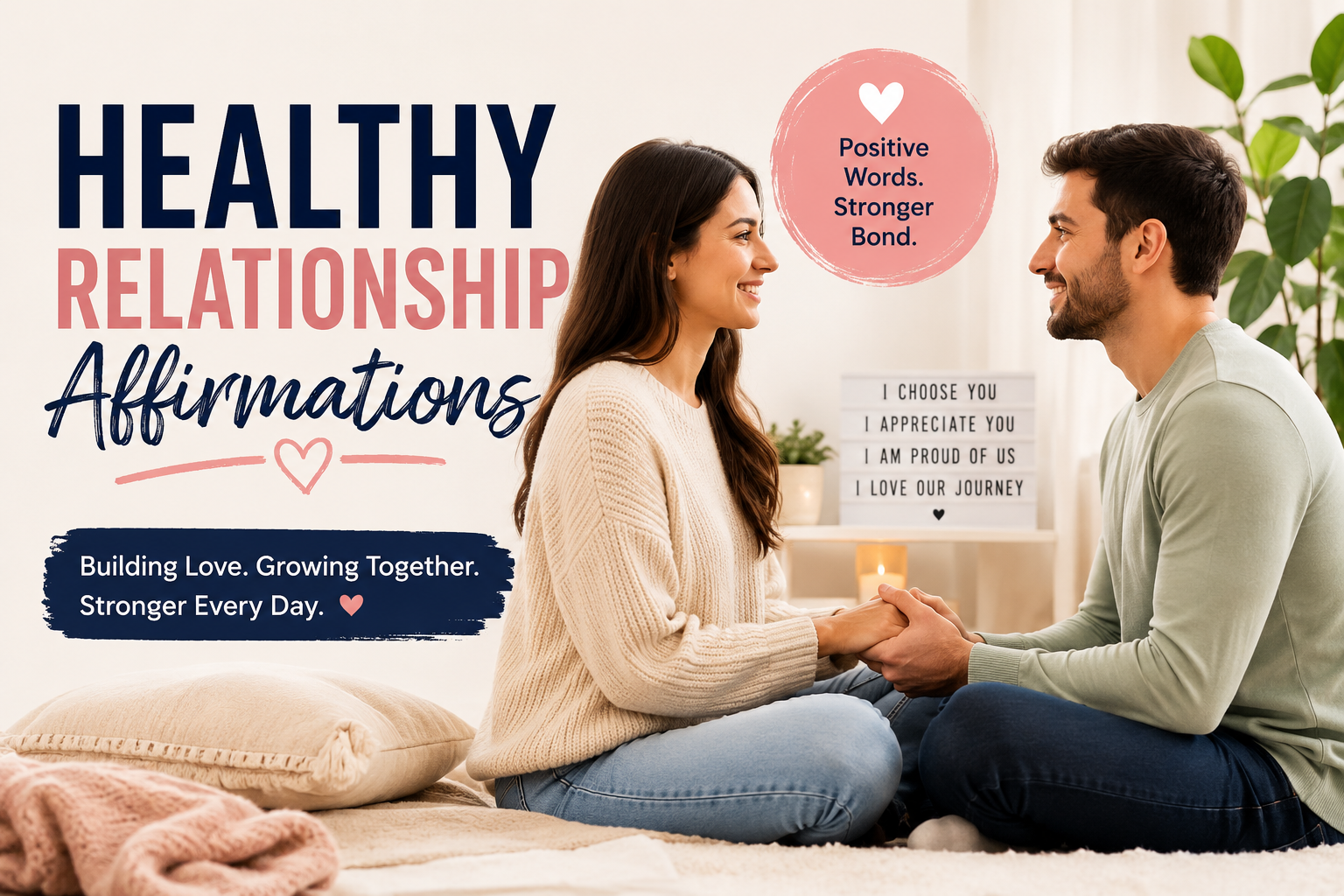
Reconnecting with positive self talk can also help you rebuild confidence and clarity during a difficult season. You may find it helpful to explore these healthy relationship affirmations, which can support your emotional strength as you decide what is best for you.
If the relationship involves abuse, control, or threats to your safety, your wellbeing must come first. In those situations, reaching out for professional help is not only wise, it can be lifesaving.
When to Seek Professional Help
Some relationship problems can improve with communication, effort, and counseling. Couples therapy, individual therapy, and honest conversation can sometimes turn a struggling relationship into a healthier one when both people are willing to grow.
However, if you are experiencing abuse, manipulation, or any threat to your physical or emotional safety, professional support is essential. Confidential help is available from organizations such as the National Domestic Violence Hotline, which offers support, safety planning, and resources, and Love Is Respect, which focuses on healthy and unhealthy relationship education and support. Reaching out is a sign of strength, not weakness.
Building Healthier Relationships Going Forward
Recognizing unhealthy relationships signs is not only about identifying what is wrong. It is also about understanding what a healthy connection should feel like, so you can build better relationships in the future.
A healthy relationship feels safe, supportive, and respectful. Both people communicate openly, honor each other’s boundaries, take responsibility for their actions, and encourage each other to grow. You feel free to be yourself, you feel valued, and you leave most interactions feeling stronger rather than smaller. Keep that standard in mind, because you deserve nothing less.
Final Thoughts on Unhealthy Relationships Signs
Unhealthy relationships signs can be subtle, confusing, and easy to excuse, especially when love and hope are involved. But your wellbeing matters, and recognizing these warning signs is a courageous and important first step.
You deserve relationships that bring respect, safety, honesty, and genuine support. Trust your instincts, lean on people you trust, and seek help when you need it. Recognizing the truth is hard, but it is also the beginning of a healthier, freer, and happier life.
If you or someone you care about is experiencing abuse or feels unsafe, please reach out to a trusted person or a professional support service. You do not have to face it alone.
Frequently Asked Questions
What are the most common unhealthy relationships signs?
The most common unhealthy relationships signs include constant criticism, controlling behavior, lack of trust, poor communication, disrespect for boundaries, dishonesty, walking on eggshells, isolation from loved ones, blame shifting, emotional manipulation, and any form of abuse. These signs describe ongoing patterns rather than occasional conflict.
How do I know if my relationship is unhealthy or just going through a rough patch?
The key difference is the pattern. Every relationship has occasional disagreements and difficult seasons. A relationship is likely unhealthy when disrespect, control, dishonesty, or emotional harm becomes a consistent pattern, when you regularly feel drained or fearful, and when problems never improve despite honest effort.
Can an unhealthy relationship become healthy again?
Sometimes, yes. If both people are willing to take responsibility, communicate honestly, and put in real effort, often with the help of a counselor, a struggling relationship can improve. However, relationships involving abuse, manipulation, or threats to safety require professional support and prioritizing your wellbeing first.
Why do people stay in unhealthy relationships?
People stay for many understandable reasons, including love and hope for change, fear of being alone, financial dependence, low self esteem, concern for children, social pressure, and the gradual way unhealthy patterns develop. Staying does not mean someone is weak, and these reasons deserve compassion rather than judgment.
What should I do if I notice unhealthy relationships signs?
Start by trusting your feelings and talking to someone you trust, such as a friend, family member, or counselor. If it is safe, communicate your concerns calmly. If the relationship involves abuse, control, or threats to your safety, prioritize your wellbeing and reach out to a professional support service for guidance.
What is the difference between a healthy and unhealthy relationship?
A healthy relationship feels safe, respectful, honest, and supportive, with open communication and respect for boundaries. An unhealthy relationship involves ongoing patterns of control, disrespect, dishonesty, or emotional harm that leave one or both people feeling drained, fearful, or unseen.
Is emotional manipulation a sign of an unhealthy relationship?
Yes. Emotional manipulation, including guilt tripping, gaslighting, playing the victim, and twisting your words, is a serious unhealthy relationship sign. It causes you to doubt your own feelings, memory, and judgment, and it undermines the trust and safety a healthy relationship needs.
When should I seek professional help for relationship problems?
Consider professional help when problems persist despite honest effort, when communication consistently breaks down, or when you feel anxious, drained, or unsafe. If the relationship involves any form of abuse, manipulation, or threats, seeking confidential professional support right away is essential for your safety and wellbeing.