
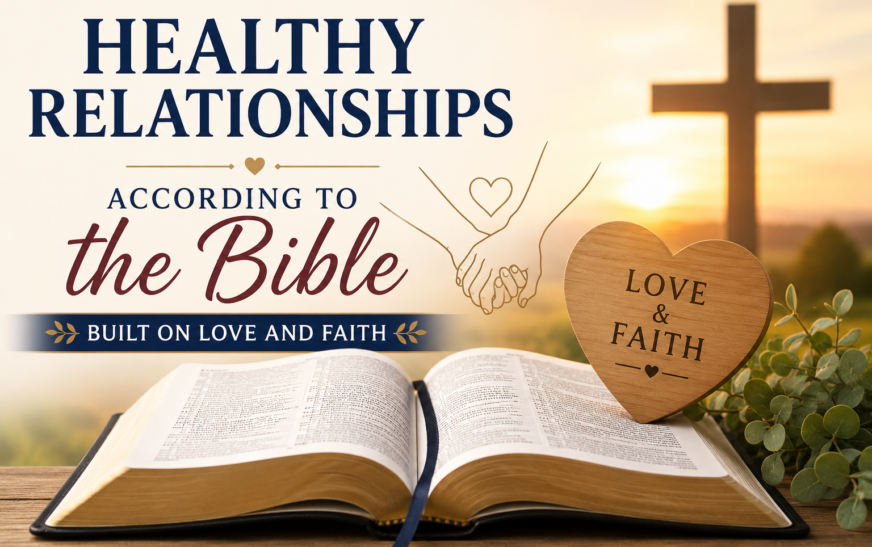
Healthy relationships according to the Bible are built on love, respect, forgiveness, and a shared foundation of faith. Whether you are nurturing a marriage, a friendship, a family bond, or a dating relationship, Scripture offers timeless wisdom that still speaks clearly to the way people connect today.
In a world full of changing advice about love and connection, many people long for principles that are steady and trustworthy. The Bible provides exactly that. This guide explores what healthy relationships according to the Bible truly look like, the key principles that hold them together, and practical ways to live them out every day.
What Does the Bible Say About Healthy Relationships
The Bible treats relationships as one of the most important parts of human life. From the very beginning, Scripture declares that it is not good for a person to be alone, showing that humans are created for connection.
Throughout its pages, the Bible presents relationships as a reflection of God’s own character. Love, faithfulness, patience, and grace are not just nice ideas. They are the qualities God shows toward people and the qualities people are encouraged to show toward one another.
Healthy relationships according to the Bible are not defined by perfection. They are defined by a willingness to love sacrificially, forgive freely, communicate honestly, and grow together in faith. This applies to marriages, friendships, family ties, and every other bond in life.
Core Principles of Healthy Relationships According to the Bible
Several foundational principles run through Scripture and shape what healthy relationships according to the Bible look like. Understanding these gives you a strong base to build on.
Love That Gives Rather Than Takes
The most famous biblical description of love appears in 1 Corinthians 13, often called the love chapter. It describes love as patient and kind, not envious, boastful, or proud. Biblical love is selfless. It seeks the good of the other person rather than personal gain.
This kind of love is a daily choice, not just a feeling. It shows up in small acts of kindness, in patience during hard moments, and in faithfulness over time.
Respect and Honor for One Another
Scripture repeatedly calls people to honor one another. Romans 12:10 encourages believers to be devoted to one another and to outdo one another in showing honor. Respect means treating others as valuable, listening to them, and speaking to them with dignity.
In healthy relationships according to the Bible, both people lift each other up rather than tearing each other down.
Forgiveness and Grace
No relationship is free of mistakes and hurt. The Bible teaches that forgiveness is essential. Ephesians 4:32 encourages people to be kind and compassionate, forgiving one another just as God forgave them.
Forgiveness does not mean ignoring wrongs or pretending pain does not exist. It means releasing bitterness and choosing reconciliation instead of resentment.
Honest and Gentle Communication
The Bible places great value on words. Proverbs reminds readers that gentle words bring life, while harsh words cause harm. Ephesians 4:15 encourages speaking the truth in love. Healthy relationships according to the Bible depend on communication that is honest without being cruel and kind without being dishonest.
Faithfulness and Commitment
Scripture consistently honors faithfulness. Whether in marriage, friendship, or family, the Bible calls people to be reliable, loyal, and steady. Commitment means showing up consistently, keeping promises, and choosing the relationship even when it is difficult.
Humility and Servanthood
Philippians 2:3 teaches people to value others above themselves. Healthy relationships according to the Bible are marked by humility, where each person is willing to serve, to apologize, and to put pride aside for the sake of unity.
Healthy Relationships According to the Bible in Marriage
Marriage receives special attention in Scripture. The Bible describes it as a deep union built on love, mutual respect, and shared commitment.
Ephesians 5 calls husbands and wives to love and respect one another, with husbands urged to love their wives sacrificially, just as Christ loved the church. The picture is one of mutual self giving, where both partners serve and honor each other.
A healthy biblical marriage includes patience during disagreements, forgiveness when mistakes happen, and a shared spiritual life. Many couples find that praying together, encouraging one another in faith, and keeping God at the center strengthens their bond.
If you and your partner are working through challenges, practicing daily encouragement can make a real difference. You may find it helpful to explore these healthy relationship affirmations, which can be paired with prayer and Scripture to build trust and connection.
Healthy Relationships According to the Bible in Friendship
The Bible has much to say about friendship. Proverbs 17:17 declares that a friend loves at all times, and Proverbs 27:17 says that as iron sharpens iron, one person sharpens another.
A healthy biblical friendship is loyal, honest, and encouraging. Good friends celebrate your joys, support you in hardship, and lovingly tell you the truth when you need to hear it. The story of David and Jonathan is often pointed to as a model of deep, faithful friendship marked by loyalty and selfless love.
Scripture also encourages wisdom in choosing friends. The people you spend time with influence your character, so surrounding yourself with people who encourage your faith and growth is one of the clearest examples of healthy relationships according to the Bible.
Healthy Relationships According to the Bible in Family
Family relationships are a central theme in Scripture. The Bible calls children to honor their parents and calls parents to raise their children with love, guidance, and patience rather than harshness.
Healthy family relationships according to the Bible involve mutual respect across generations, forgiveness when conflict arises, and a shared commitment to love one another well. Colossians 3 paints a picture of family life filled with compassion, kindness, humility, gentleness, and patience.
Even in families that face tension or distance, the biblical call is toward grace, reconciliation, and steady love.
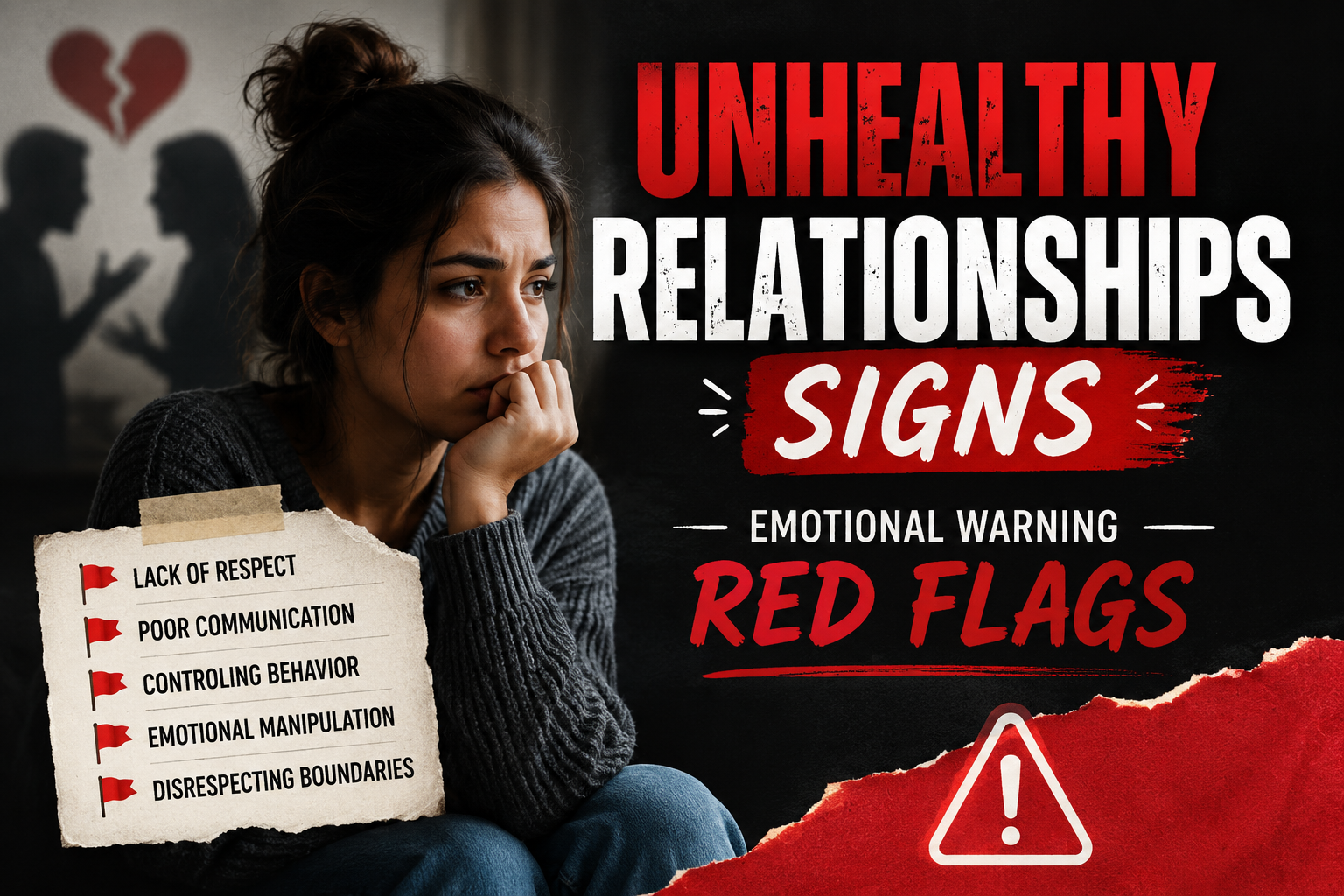
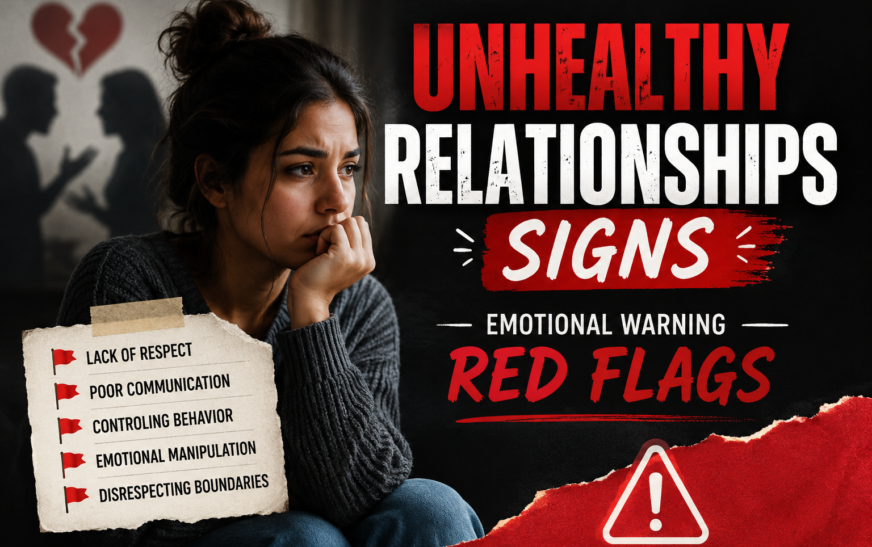
Warning Signs of an Unhealthy Relationship
The Bible also helps people recognize relationships that are harmful. Healthy relationships according to the Bible are never built on deceit, manipulation, constant conflict, or disrespect, and Scripture clearly warns against such connections.
Signs that a relationship may be unhealthy include ongoing dishonesty, controlling behavior, contempt, abuse of any kind, and a complete absence of repentance or change. The Bible never asks anyone to remain in danger. Wisdom, safety, and seeking godly counsel are all encouraged.
If a relationship involves abuse or threatens your safety, reaching out for help is both wise and biblical. Trusted pastors, counselors, and support organizations can provide guidance and protection.
Practical Ways to Build Healthy Relationships According to the Bible
Knowing biblical principles is one thing. Living them out daily is another. Here are practical steps to apply this wisdom.
Start each day with prayer for the people you love, asking God to help you love them well. Practice quick and sincere forgiveness instead of holding grudges. Speak words that build others up, and pause before responding in anger. Serve the people around you in small, consistent ways. Spend intentional time together, and invite God into your relationships through shared prayer and Scripture.
Growth takes time, so be patient with yourself and others. Healthy relationships according to the Bible are built gradually through countless small, faithful choices.
For couples or friends separated by distance, staying intentionally connected matters even more. You can find helpful guidance in this article on long distance relationship tips, which pairs well with biblical principles of faithfulness and communication.
Helpful Resources for Studying Biblical Relationships
If you want to dig deeper into healthy relationships according to the Bible and what Scripture teaches about love and connection, several trusted resources can help. You can read and compare Scripture passages freely using Bible Gateway, a widely used online Bible study tool. For devotionals, articles, and faith based relationship guidance, YouVersion offers reading plans on marriage, friendship, and family.
Studying Scripture directly, ideally alongside a trusted faith community, is the best way to understand and apply these timeless principles.
Final Thoughts
Healthy relationships according to the Bible are rooted in love that gives, forgiveness that heals, honesty that builds trust, and faith that holds everything together. These principles are not bound by any single era. They are timeless truths that continue to guide people toward deeper, stronger, and more meaningful connections.
No relationship is perfect, and Scripture never expects perfection. What it calls for is a willing heart, a humble spirit, and a daily commitment to love others the way God loves us. When you build your relationships on these foundations, you create bonds that can weather any storm and reflect the very heart of God.
Frequently Asked Questions
What does the Bible say about healthy relationships?
The Bible teaches that healthy relationships are built on selfless love, respect, forgiveness, honest communication, faithfulness, and humility. Scripture presents relationships as a reflection of God’s character and encourages people to love one another patiently, kindly, and sacrificially in marriage, friendship, and family.
What are the most important biblical principles for relationships?
The most important principles include love that gives rather than takes, respect and honor for one another, forgiveness and grace, honest and gentle communication, faithfulness and commitment, and humility and servanthood. Together these qualities form the foundation of healthy relationships according to the Bible.
What does the Bible say about love in relationships?
The Bible describes love most famously in 1 Corinthians 13, often called the love chapter. It teaches that love is patient and kind, not envious or proud, and that it always protects, trusts, hopes, and perseveres. Biblical love is a daily choice to seek the good of another person rather than a passing feeling.
How can faith strengthen a relationship?
Faith strengthens a relationship by giving both people a shared foundation, common values, and a source of guidance during difficult times. Praying together, encouraging one another spiritually, and applying biblical principles like forgiveness and patience help build deeper trust, unity, and resilience.
What does the Bible say about unhealthy or toxic relationships?
The Bible warns against relationships built on dishonesty, manipulation, contempt, constant conflict, or abuse. Scripture encourages wisdom in choosing companions and never asks anyone to remain in danger. Seeking godly counsel, prioritizing safety, and pursuing reconciliation where it is safe are all biblically supported responses.
What does the Bible say about friendship?
The Bible values friendship highly. Proverbs teaches that a true friend loves at all times and that friends sharpen one another like iron sharpens iron. Healthy biblical friendships are loyal, honest, and encouraging, and Scripture advises choosing friends who support your character and faith.
How do I apply biblical relationship principles in daily life?
You can apply these principles by praying for loved ones, forgiving quickly, speaking words that build others up, serving consistently, and spending intentional time together. Inviting God into your relationships through shared prayer and Scripture helps you grow gradually into healthier, stronger connections.
Does the Bible only talk about marriage relationships?
No, the Bible addresses all kinds of relationships, including friendships, family bonds, parent and child relationships, and connections within the wider community. While marriage receives special attention, the core principles of love, respect, forgiveness, and faithfulness apply to every relationship in life.